
A victory for advocates of an increased minimum wage for health care workers in Culver City was short-lived after a new incoming council immediately revoked a resolution hours after it had passed.
On Monday, the outgoing Culver City council voted in favor to raise the minimum wage of health care workers to $25 an hour.
Those health care workers who were affected by the change included workers in private sector hospitals, “integrated healthcare delivery systems,” and dialysis clinics across the city.
The meeting included public comment from those both in favor of the ordinance and those opposed. Additionally, health care workers and union members who were not physically present called in to the meeting to voice support.
The vote passed with 4 to 1 in favor, with the only vote in opposition from Vice Mayor Albert Vera.
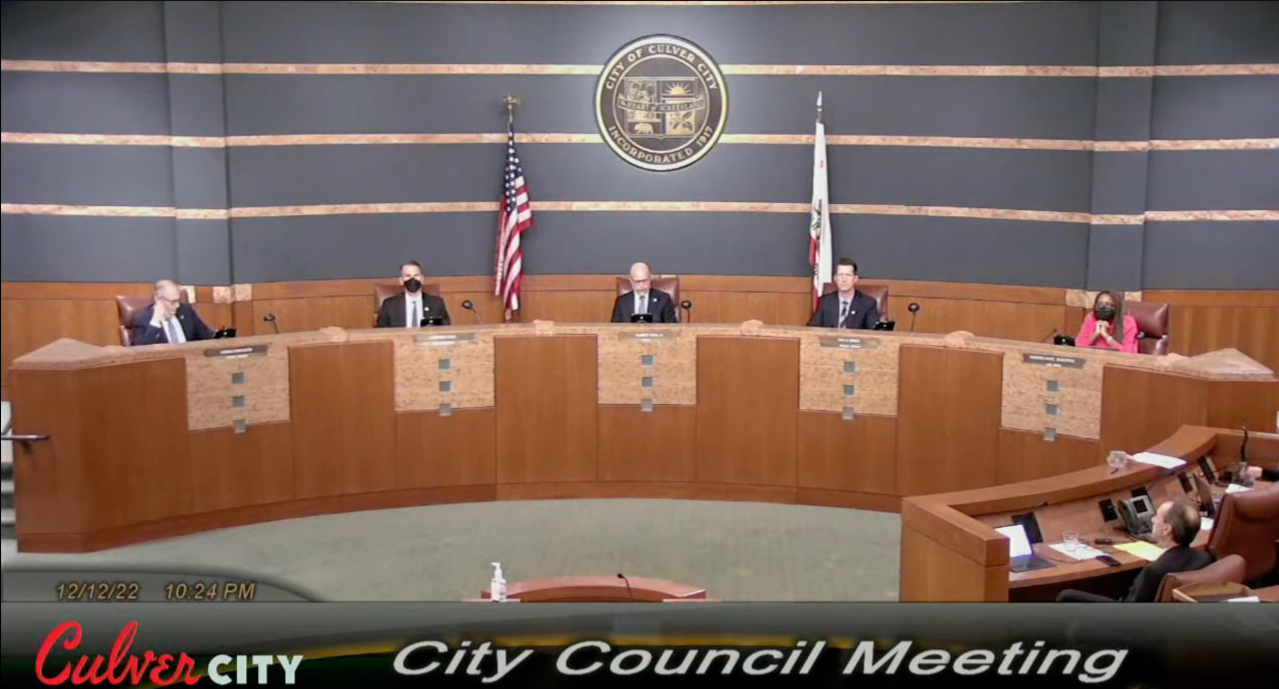
The motion served as the bookend of that iteration of the Culver City council. The Monday night meeting also served as a swearing in for the newly elected council members and a goodbye to those departing.
Mayor Daniel Lee left the council and was replaced in the position by Vera. Council member Yasmine McMorrin then became vice mayor.
Incumbent Alex Fisch failed to secure reelection in November, thus bringing in two new members to the council: Freddy Puza (who was supported by both Lee, Fisch and McMorrin) and Dan O’Brien (who was endorsed by Vera and councilman Göran Eriksson).
The new makeup of the council has been described as conservative-leaning with O’Brien, Eriksson and Vera at the helm.
After both Lee and Fisch said their goodbyes and Puza and O’Brien took their oaths and seats at the council, Eriksson motioned to repeal the just-passed ordinance to raise the minimum wage for health care workers.
Eriksson’s motion came more than two hours after he himself voted in favor of passing it.
The city’s attorney told the council that a motion to reconsider can’t take place during the same meeting, unless the person who creates the motion was originally part of the majority vote.
Because Eriksson previously voted in favor of the ordinance, the motion was allowed to proceed and was seconded by O’Brien after some explanation.
The newly arranged council then voted on the ordinance for the second time in several hours.
Vera, O’Brien and Eriksson voted against it; McMorrin and Puza voted in favor.
The political maneuvering caught some members of the council off guard and resulted in critics on social media calling Eriksson’s reversal an act of political chicanery.
Even O’Brien, who said he would not have supported the ordinance hours ago, appeared to be surprised by the rehashing of the previous council’s business.
“As much as it pains me for all the people who spoke, because this is their lives and I know how hard it is to get by, I’ve been in their positions, not health care, but I don’t think city council should be setting … wages for a specific industry,” O’Brien said.
The new council member added that he believed in a universal minimum wage and said he would be willing to accelerate those discussions in the future.
Standardizing the minimum wage of health care workers is not unheard of in California or the Los Angeles area.
Culver City would’ve been the fifth city in Southern California to pass a “fair wage” ordinance for health care workers, joining L.A., Downey, Monterey Park and Long Beach. Last month, voters in Inglewood passed a measure to raise wages to $25 for health care workers at private facilities.
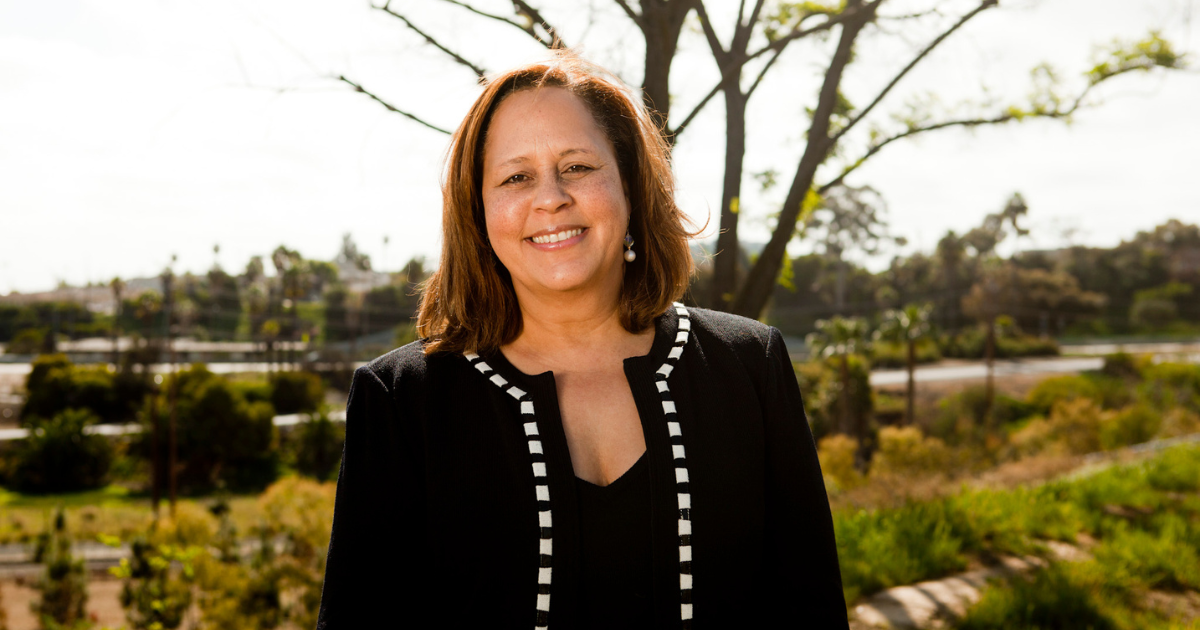
McMorrin, who prior to the reversal was celebrating becoming the city’s first Black woman to serve as Vice Mayor, said she was disappointed by the way her colleague’s handled the procedure.
“The fact that we are doing this at the tail end of the meeting, and the folks who are directly impacted are not on the call any more, it’s disheartening that we are beginning in this way,” McMorrin said.
Later on Twitter, McMorrin said she stood with health care workers and was sorry that the first act of the new council was to undo the ordinance.
In a press release after the ordinance was originally believed to have passed, Dave Regan, president of SEIU-United Healthcare Workers West, a union that represents thousands of health care workers across California, said he applauded the minimum wage increase.
He added that the $25 minimum wage would reflect the “life-saving work” health care workers do and said the increased wage would help confront staffing shortages across the state’s health care system.
A survey of the union’s members found that most health care workers feel that their facility is understaffed and as many as 20% of those polled said conditions have left them considering leaving the profession altogether.
“Because of the demanding work, low wages, high inflation, and stress, I’ve seen many healthcare workers come and go, especially since the start of the pandemic. Some have opted to leave hospital work for retail or restaurant jobs that pay more and have fewer health risks,” said La Rhonda Smith, a speech therapist at Southern California Hospital in Culver City.
Smith added that the minimum wage increase would help keep more workers in the health care system and would help attract more people into the field.
The health care workers’ union released a statement on Wednesday that reads in part:
“Healthcare workers are leaving the industry in droves due to the trauma of the pandemic and low wages amid record inflation. Rather than working to solve the urgent hospital short-staffing crisis in Culver City, it’s disgraceful that Councilmember Göran Eriksson would turn around and make a motion to repeal fair wages for frontline healthcare workers. Councilmember Eriksson is out of step with the reality of the healthcare industry today if he thinks the lowest-paid caregivers who are getting his community through the pandemic should stay in poverty.”